Welcome to the Plastic Knowledge & Action Platform of Pakistan
This portal serves as an exchange and knowledge hub for stakeholders across the plastics value chain in Pakistan. Its aim is to create a conducive environment for sustainable plastic management and circular economy solutions.
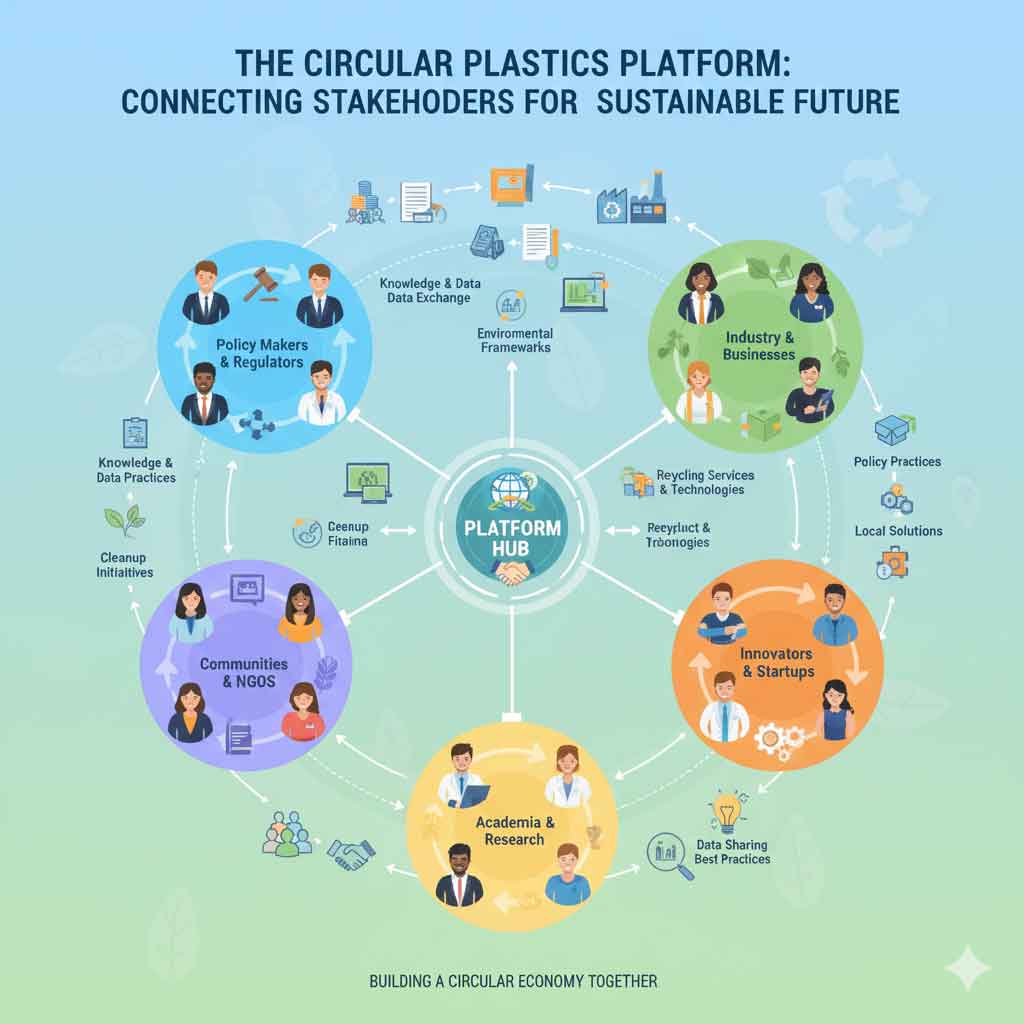
Within this platform, the following stakeholders are brought together
Producers and Converters (plastic packaging, FMCG, and manufacturing sectors)
Recyclers and Waste Collectors (formal and informal)
Technology and Service Providers (innovations in recycling, sorting, and alternatives)
Financial Institutions & Research/Education Institutes
Government Organisations & Policy Makers (federal, provincial, municipal)
Civil Society and NGOs (advocacy, awareness, inclusion of waste workers)
They are given the opportunity to interact through
- Display and exchange of knowledge, data, and best practices
- Offer and request of services, technologies, and solutions
- Collaboration on policies, pilots, and investments
The ultimate goal is to improve plastic waste management, enhance resource efficiency, and accelerate the transition to a circular plastic economy in Pakistan
How it Works
The platform functions as a national hub where information, tools, and stakeholders come together to improve how plastic is managed across the country. It operates by:
Centralizing Knowledge: All research, guidelines, and technical materials related to plastic management are organized in one accessible place.
Connecting Stakeholders: Industries, communities, policymakers, recyclers, and innovators can exchange ideas, share updates, and collaborate.
Highlighting Solutions: The platform features technological options, resource-efficient practices, and operational models that can be replicated.
Supporting Local Actions: Provincial and local-level initiatives can be promoted, helping users understand best practices suitable for their own region.
Everything is designed to make information easy to find and to encourage action at every level of the plastics value chain.
Why It Matters
The country is facing rising plastic pollution, growing waste generation, and significant pressure on land, rivers, and urban areas. This platform is important because it:
Creates awareness about the scale of the issue and the actions needed to address it.
Encourages sustainable alternatives and responsible consumption, helping reduce the demand for single-use materials.
Strengthens waste management systems by promoting segregation, recycling, and recovery of valuable resources.
Supports economic opportunities, especially for waste workers, recycling businesses, and green startups.
Builds national capacity by offering tools, knowledge, and data needed to design effective projects.
With better coordination and shared learning, the country can shift towards reducing waste, increasing recycling, and conserving natural resources.
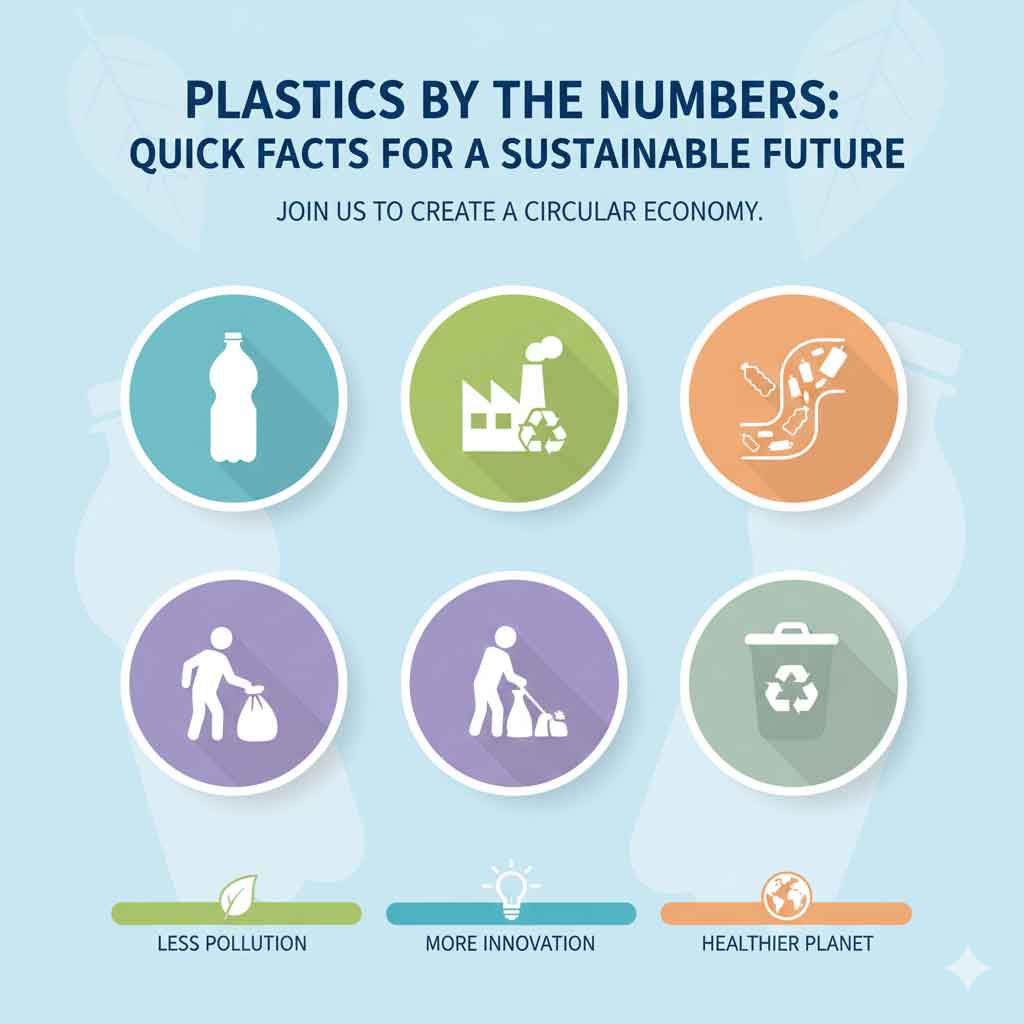
Quick Facts
Plastic use is rising rapidly due to population growth, urbanization, and changing consumption patterns.
A large portion of plastic waste still ends up in open dumps, drains, and natural ecosystems.
Recycling potential remains underutilized, especially in remote and low-income areas.
Improving waste collection and sorting can significantly reduce river and marine pollution.
Transitioning to a circular model can reduce environmental damage and strengthen local economies.
Latest Plastic News & Insights
- Event, Industry & Private Sector Events
GoToWebinar Registration Page (Webinar Event Registration)
Read more ››
- Event, International & Regional Forums
Fifth session of the United Nations Environment Assembly (UNEA-5)
Read more ››
- Event, International & Regional Forums
XXII Forum of Ministers of Environment of Latin America and the Caribbean
Read more ››
- Event, International & Regional Forums
Third Global Session of the UN Science-Policy-Business Forum on the Environment
Read more ››