
A story of two young entrepreneurs reimagining plastic waste in Pakistan
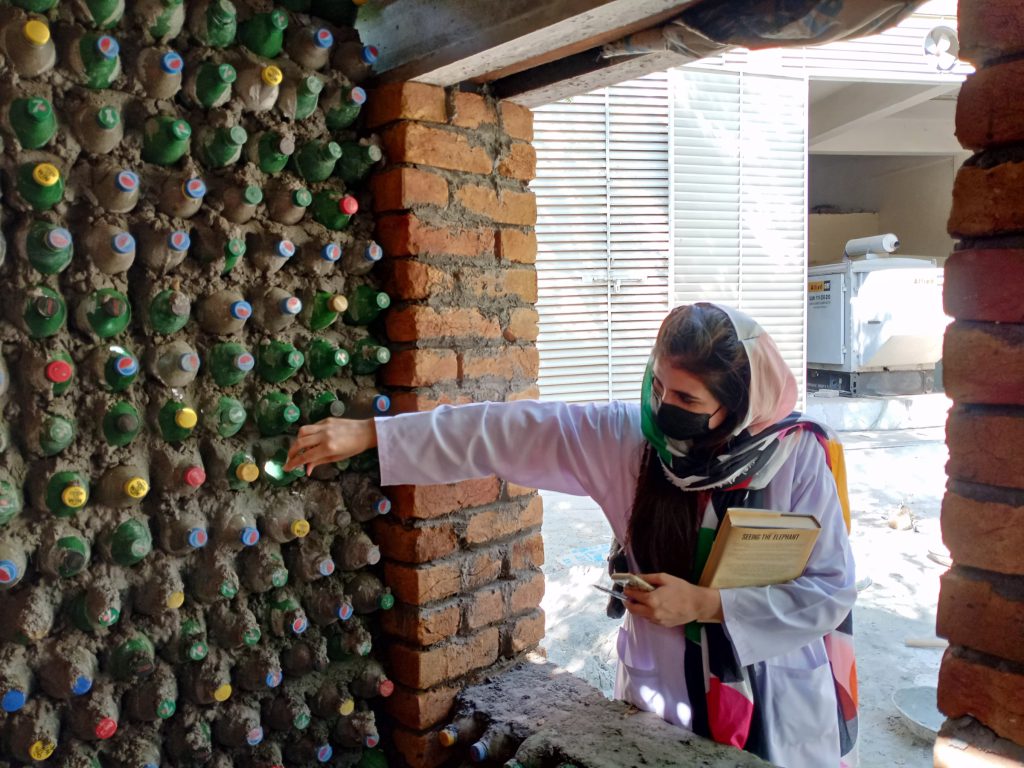
Inside the Institute of Management Sciences campus in Peshawar, a small grey structure stands in the open air. Four walls, built entirely from discarded plastic bottles packed tight with shredded waste and sand. It is not much to look at. For a long time, it was the only answer Iman Khan and Mubashir Waheed had to everyone who told them their idea would never work.
The initiative emerged in the wake of the devastating 2022 floods in Pakistan. With millions left homeless, two university students recognized a pressing need: housing that was both affordable and able to withstand climate shocks. Plastic waste had been piling up in their streets for years. For the first time, they saw it as raw material rather than refuse.
“It wasn’t about starting another business,” Mubashir says, “but about building a venture that addresses real environmental challenges while creating value for the community.”
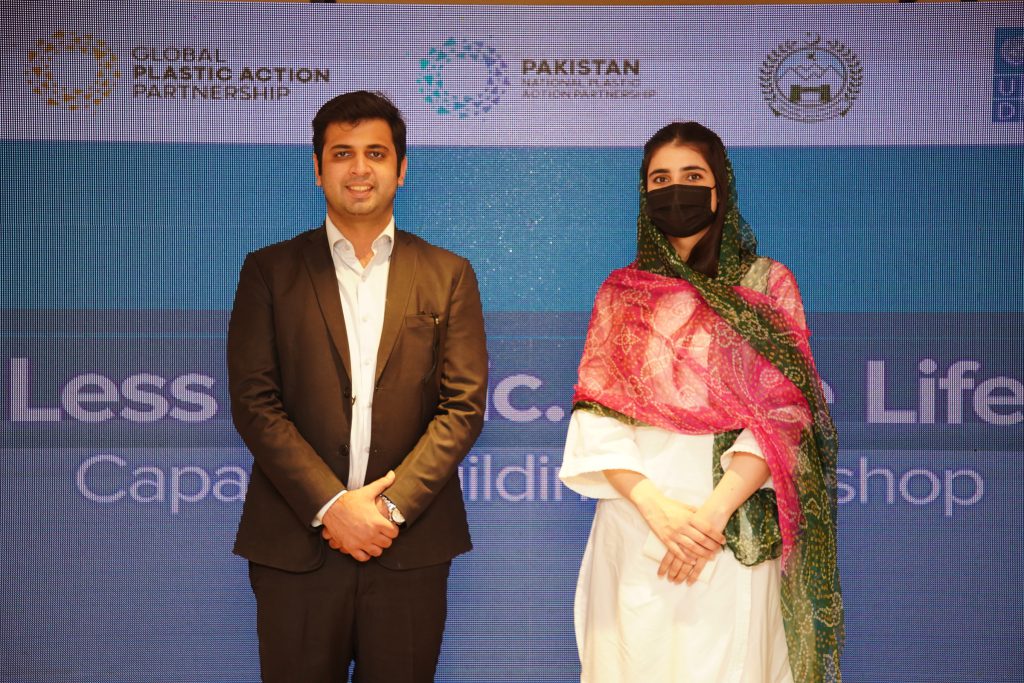
In October 2022, at just 19 and 21 years old, Iman and Mubashir founded GRICKS, an initiative that aimed to turn discarded plastic bottles into building blocks by packing them with 80 percent shredded plastic waste and 20 percent sand to create “bottle bricks” strong enough to build homes.
Almost no one believed them.
“The idea was mocked for being unrealistic until we made a prototype that people could finally see,” Iman recalls. Stepping into Pakistan’s male-dominated construction industry, she often found her ideas doubted or overlooked by peers, teachers and workers, forcing her to constantly prove herself.
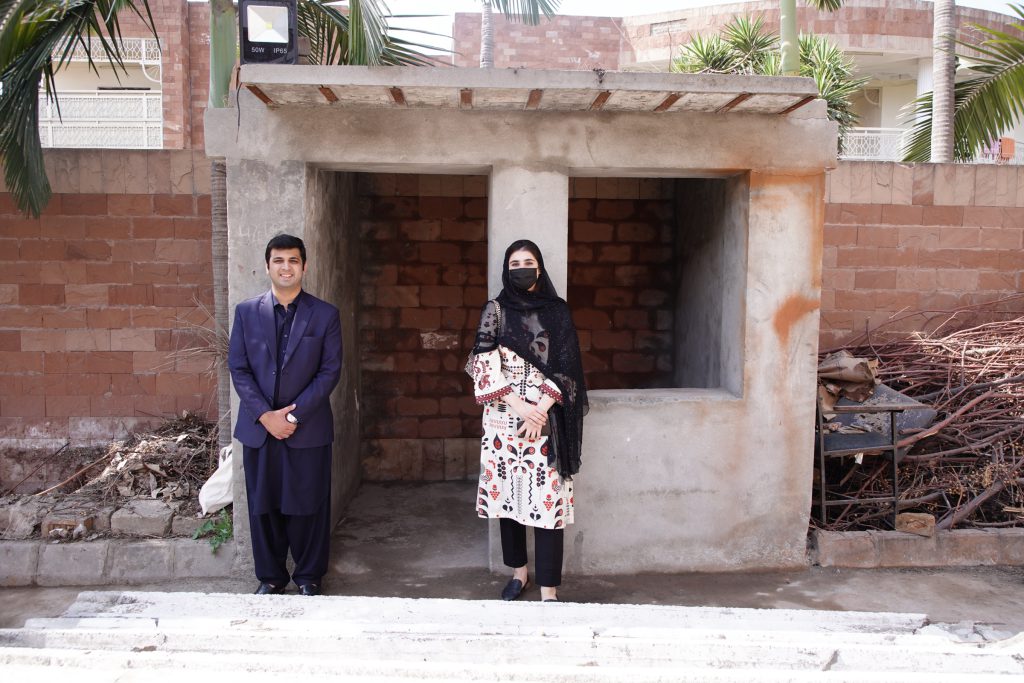
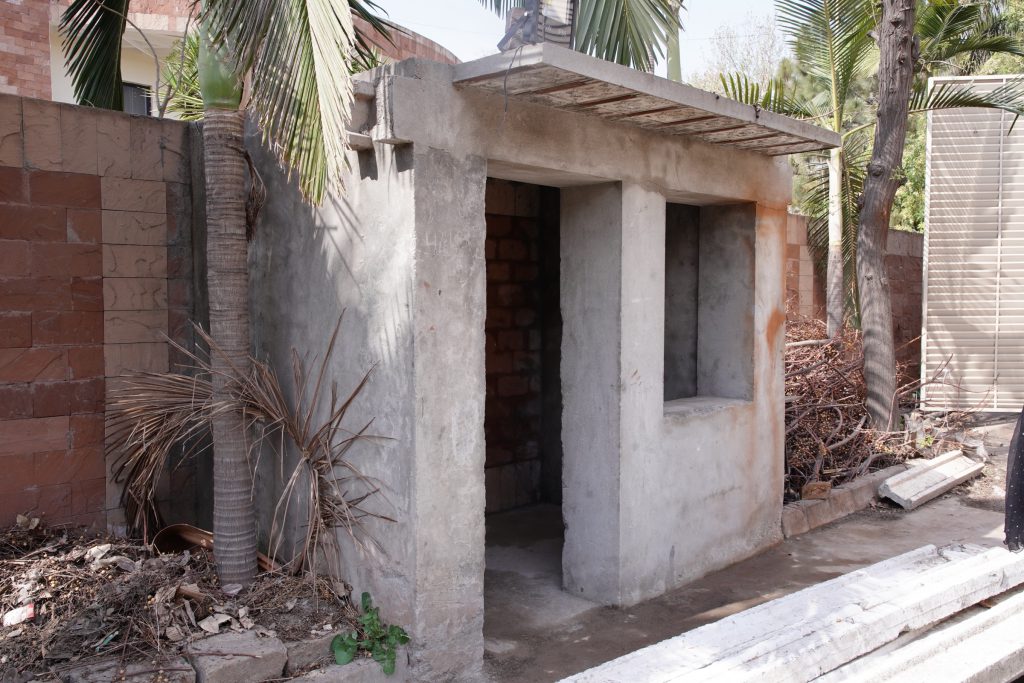
The GRICKS prototype, built from discarded plastic bottles, became the first proof that the founders’ idea could work. Photos: UNDP Pakistan
Winning the Net Zero Challenge at Peshawar’s National Incubation Centre (NIC) in 2023, followed by a grant from The Asia Foundation, gave GRICKS the support it needed to build its first prototype. A year later, Iman was selected as one of the 150 women for the U.S. Consulate-supported Academy for Women Entrepreneurs. The programme offered her mentorship, exposure and, most importantly, the confidence to stop asking whether she belonged in the room and start focusing on what she wanted to build.
The prototype silenced doubts. But proving the idea was only the beginning.
As student entrepreneurs, Iman and Mubashir were building a business with little to no resources. Every batch of plastic pulled from municipal waste streams came contaminated with mud, organic matter, and food residue. Lacking industrial-grade equipment, they cleaned and sorted it themselves, by hand, batch after batch. Hours meant for refining products or pitching partners went into the waste instead.
“There were definitely moments when I questioned whether we should continue or not,” shares Iman. “There was skepticism, limited resources, technical challenges and the uncertainty that came with trying to build something innovative.”
What kept them going was the choice to finish what they started. “If we gave up,” she adds, “we would simply become another group that identified a problem without trying to solve it.”
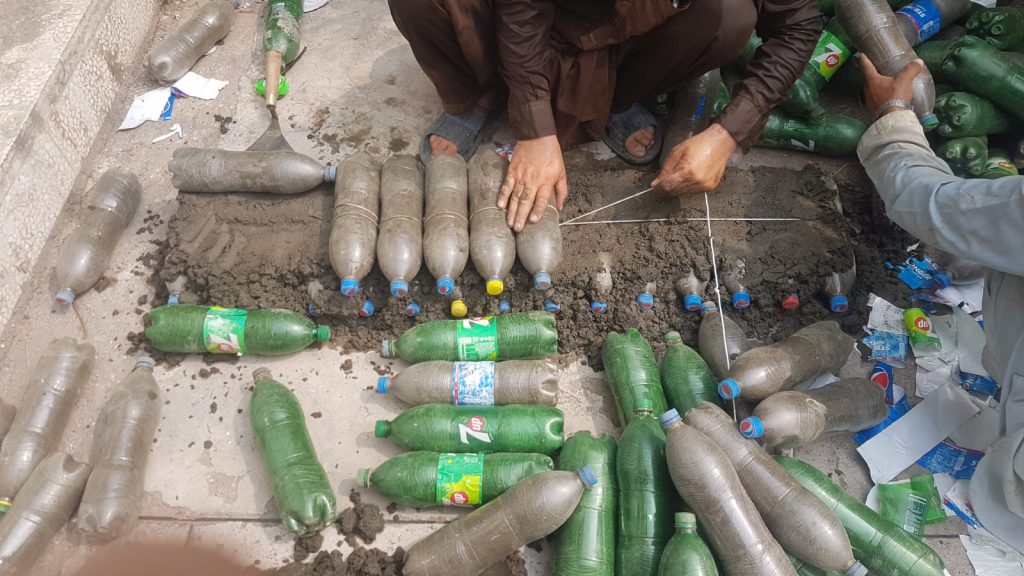
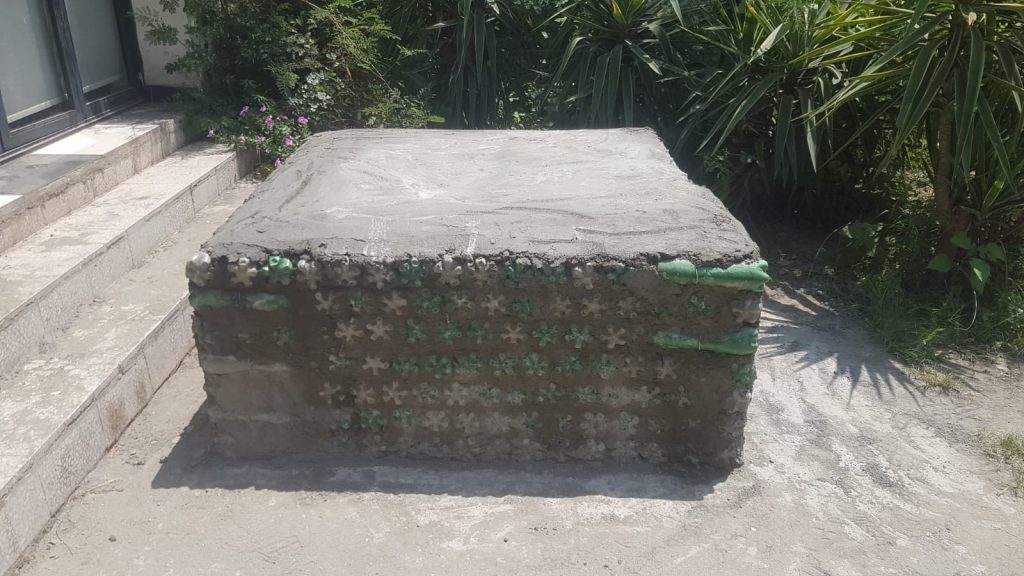
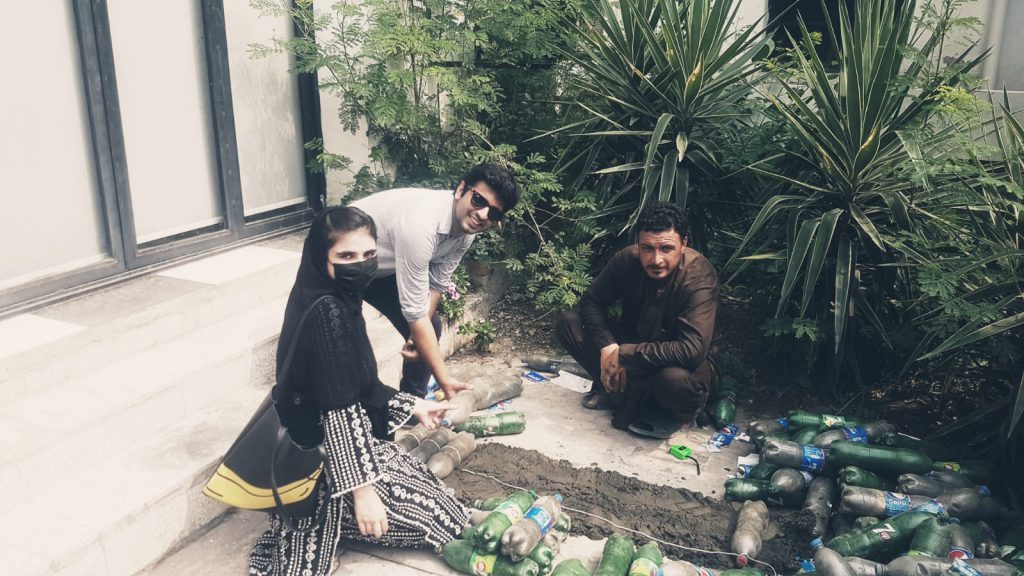
Iman and Mubashir built and tested their early prototype while balancing university studies and limited resources.
By 2026, GRICKS had proven the idea. The challenge was turning it into a business that could grow. Support through the National Plastic Action Partnership (NPAP) Pakistan, under the Global Plastic Action Partnership and led by the United Nations Development Programme (UNDP), helped Iman and Mubashir make that leap.
Two industrial plastic shredders, provided through NPAP Pakistan, removed the biggest bottleneck in their operations. Work that once consumed entire days could now be completed in hours, freeing the founders to focus less on processing waste and more on building partnerships, refining products and growing the business.
At the Institute of Management Sciences and CECOS University in Peshawar, students now separate plastic waste at designated collection points. That waste feeds directly into the shredders at solar-powered GRICKS processing facilities at each campus, creating a cleaner, more reliable supply of recycled plastic while embedding circular economy practices into everyday campus life.
The partnerships have also opened new opportunities beyond construction. GRICKS is now building relationships to purchase segregated plastic waste and supply recycled plastic flakes to commercial markets, creating an additional revenue stream while expanding its role within Pakistan’s growing circular economy.
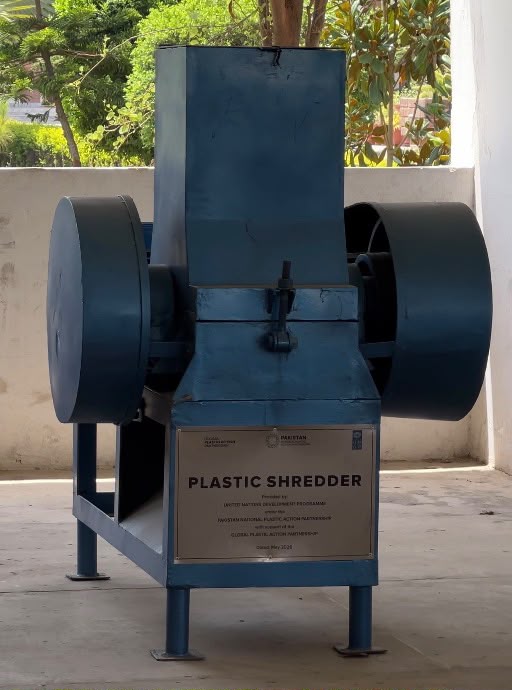
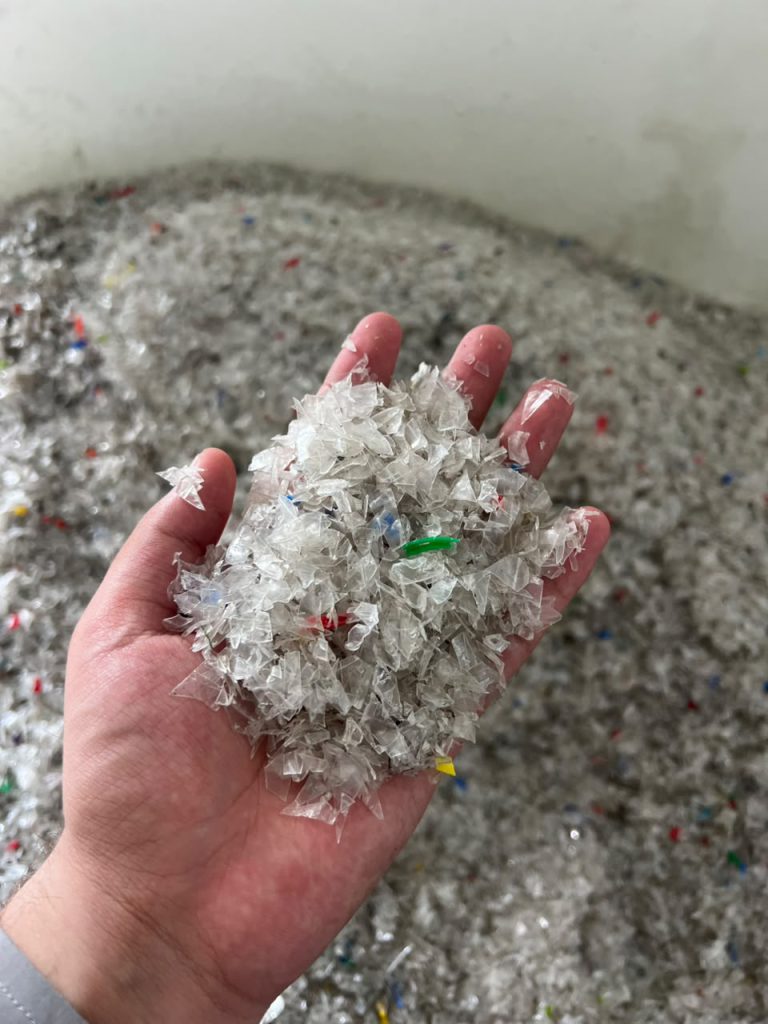
Industrial shredders provided through NPAP Pakistan streamlined plastic processing and produced clean recycled plastic flakes for new applications. Photos: UNDP Pakistan
As operations matured, the founders’ vision expanded.
Through NPAP Pakistan, Iman and Mubashir gained exposure to circular economy models, sustainability reporting, plastic credits and the wider policy landscape around plastic waste. GRICKS was no longer simply about making a better brick; they were beginning to see where their enterprise could fit within a much larger system.
“We realized that construction wasn’t enough to solve the larger plastic waste problem,” explains Iman. “We started seeing GRICKS not only as a construction company but as a circular economy enterprise that can create value from plastic waste in multiple ways.”
Understanding the system also meant finding a seat at the table. At NPAP Pakistan’s multi-stakeholder consultations in Peshawar, they found themselves alongside government officials, corporate leaders, academics and civil society representatives, no longer as students defending an unconventional idea, but as entrepreneurs helping shape the conversation around Pakistan’s circular future.
For Iman, those rooms carried another meaning. In spaces where women are still too few, being there was a quiet reminder of how far she had come, from having to prove she belonged to knowing that she did.
The connections GRICKS forged translated quickly into opportunities. “In just five days, we had the opportunity to engage with over 150 stakeholders,” says Mubashir. “We secured meetings with several partners, including the Planning and Development Department and the Environmental Protection Agency, with promises of future support.”
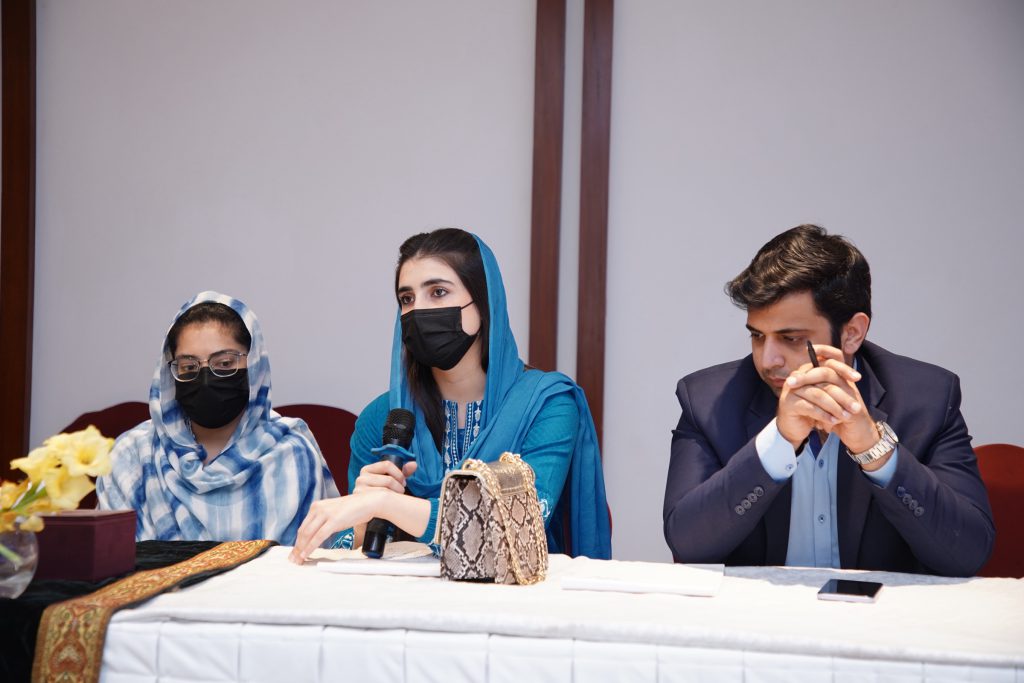
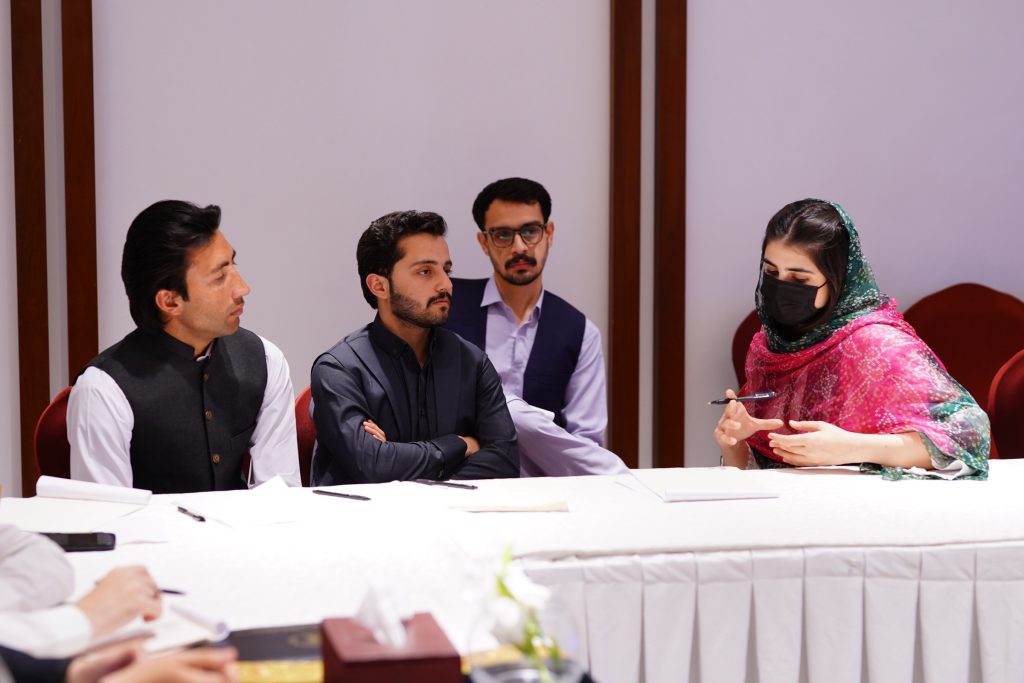
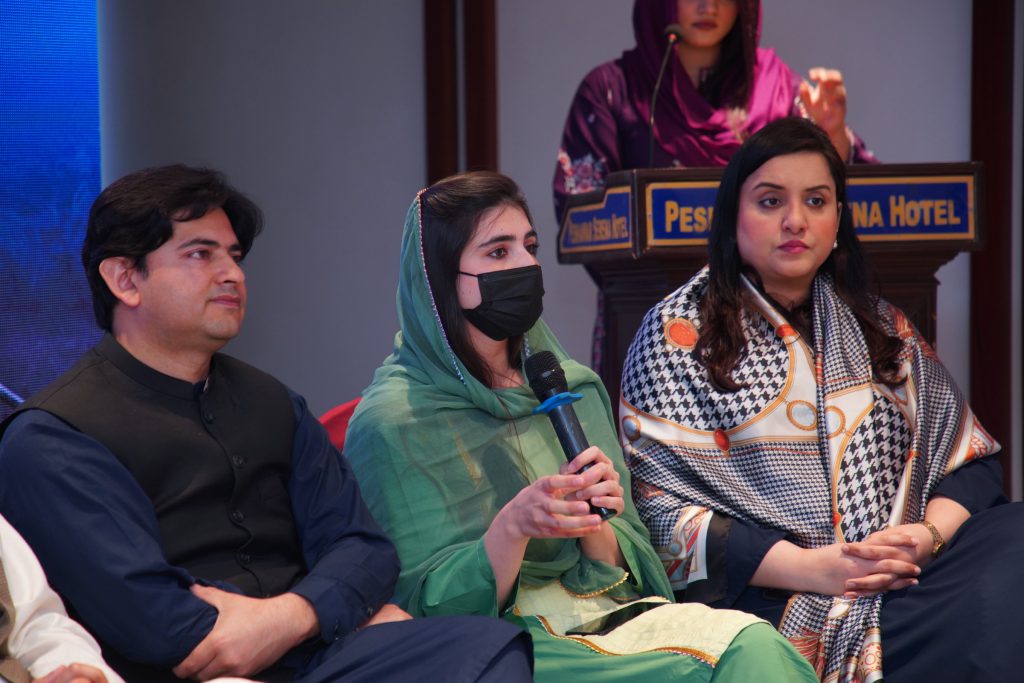
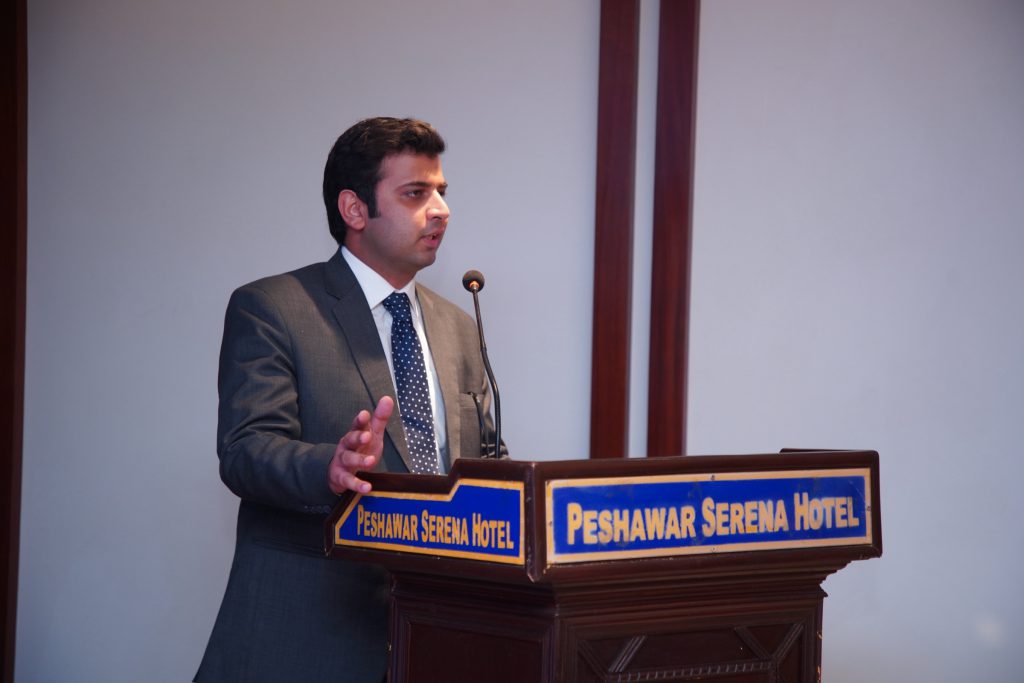
Through NPAP Pakistan, GRICKS connected with stakeholders from across the plastic value chain to strengthen their circular economy journey. Photos: UNDP Pakistan
Today, GRICKS is looking beyond the bottle brick that first brought this enterprise to life, expanding into recycled plastic furniture, toys, 3D printing filament, plastic tiles, three bin segregation systems and reverse vending machines that reward plastic recycling with redeemable points for essential items, including sanitary products for women.
For the founders, the initiative’s success is no longer measured by the products they create, but by the possibilities they inspire.
“If we could achieve one thing through GRICKS, we would want it to change the way we think about waste management in Pakistan,” says Iman. “We want GRICKS to prove that what we consider worthless can become part of the solution to some of our biggest challenges.”
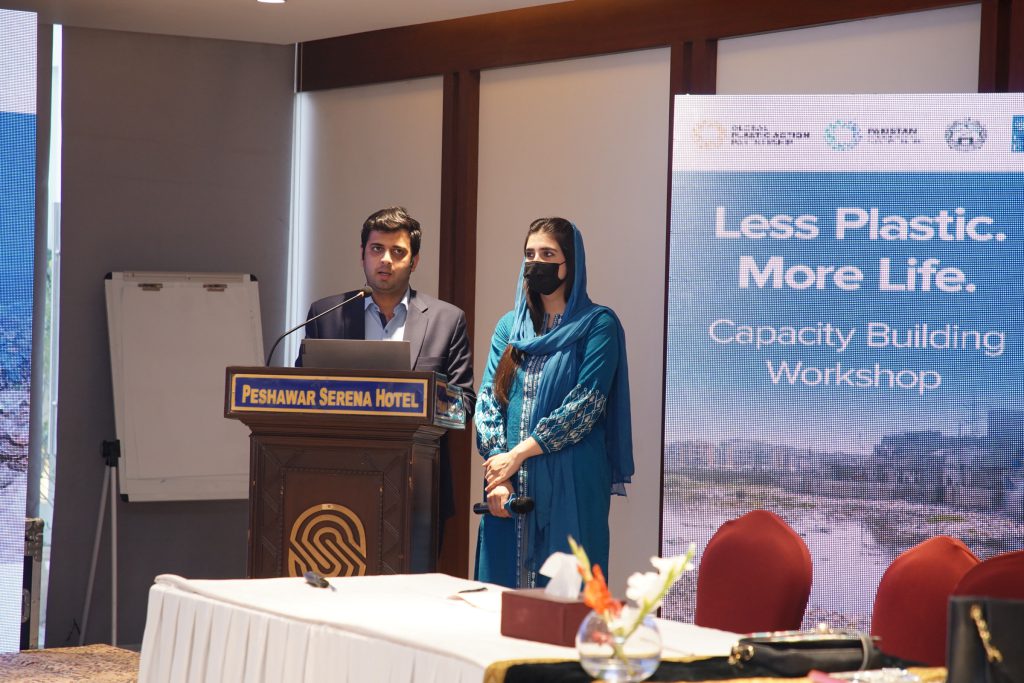
The small grey structure still stands on campus. GRICKS has long since moved past it — into flakes and filament, furniture and vending machines, boardrooms and policy consultations. But the wall remains the thing that changed people’s minds, and it was built by two students who were told, repeatedly, that it could not be done.
Given the right support, that is what young people can do for the systems around them.
Footnotes
Story by Rabiya Kamran, Communications Support Officer, UNDP Pakistan.
© 2026 UNDP in Pakistan
Originally published by UNDP Pakistan on Exposure: https://undp-pakistan.exposure.co/bottled-potential